Don't Shoot Bats
Join us on facebook or twitter
  • Home
    • About Us
    • Our Charter
    • Contact Us
  • Why Ban Killing
    • Welfare
    • Conservation
    • Crop Protection
    • Electrocution
  • Flying-foxes
    • About Flying-foxes
    • Bull!
    • Urban Bats
    • Human Health Risks
    • Photo / Video Gallery
  • The LNP Position
    • Black Friday >
      • Black Friday Reactions
  • Get Involved!
    • Submissions & Letters >
      • Federal Policy
    • NGO Statement
    • Speakout
    • Your Say
  • Resources
    • Reference Material
    • Media
    • Bat Links

NGO Statement   (Download PDF Version of the March 2012 Statement)
Picture

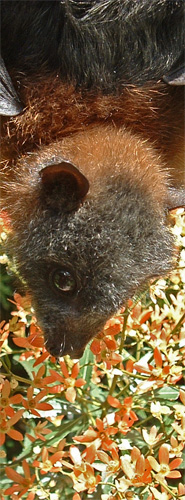
Call for all Queensland political parties to protect flying-foxes  

The organisations listed below call on all Queensland political parties to commit to protecting native flying-foxes from threats to their conservation and welfare.  There is no excuse for committing, allowing or encouraging cruelty to animals or for killing threatened species. We call on each political party to commit to the following:

1. Permit only humane non-lethal methods of crop protection, as required under Queensland’s Nature Conservation Act 1992.
  • Expert assessments, including those by the RSPCA and Queensland’s Animal Welfare Advisory Committee, have found that electrocution and shooting are inhumane. 
  • The Queensland Government banned electrocution of flying-foxes in 2001 and shooting of flying-foxes in 2008 in recognition that these methods are inhumane. 
  • Shooting causes a high rate of wounding, and slow death from injuries, thirst or starvation. Electrocution can cause a slow, agonising death. 
  • The birth of flying-foxes coincides with the ripening of many orchard fruits. A substantial proportion of flying-foxes killed in orchards have dependent young, who subsequently die from hunger or thirst over several days. The ‘orphaned young’ issue guarantees that all lethal methods of crop protection are inhumane. 
  • Full exclusion netting is humane and effective in protecting fruit crops from flying-foxes and birds

2. Assist fruit growers to adopt effective non-lethal methods of crop protection

  • Most fruit growers have now adopted netting, the only consistently effective method of crop protection. For growers yet to take up this option, we recommend that governments provide assistance (eg. with low interest loans) for the installation of nets, ensuring that any assistance is fair to the growers who have already invested in responsible methods of crop protection.
3. Implement measures to recover populations of threatened flying-fox species and sustain all flying-fox species to promote healthy ecosystems 
  • Loss of productive habitats, mortality in orchards and other threats have resulted in decline of flying-fox populations, to the extent that Grey-headed and Spectacled flying-foxes are nationally threatened.  
  • Flying-foxes face an uncertain, difficult future with ongoing habitat loss, climate change, camp harassment and multiple other threats. Their future viability depends on a much stronger conservation focus.
  • Investment in the future of flying-foxes pays dividends in the health of woodlands and forests that benefit from flying-fox pollination and seed dispersal.
  • Much of the community conflict about flying-foxes is based on misunderstandings and unwarranted fears. Community education is a vital component of conservation programs. 

Endorsing Organisations
The following 55 organisations specifically and exclusively support the statement above. They have not been asked to endorse all website content.  A PDF version of the statement issued in March 2012 is available for download here.  If your organisation would like to add it's support to this statement, please contact us.

Bat Conservation & Rescue Qld
Animal Liberation Qld
Picture
Friends of Bats Victoria
Capricorn Conservation Council
Victorian Advocate for Animals
VICTORIAN ADVOCATE FOR ANIMALS
Friends of the Earth Kuranda
Picture
NSW Wildlife Counci
FAUNA Fostercare of Aus
FAUNA ( (Fostercare of Australia’s Unique Native Animals)
Picture
Fraser island Defenders Association
FRASER ISLAND DEFENDERS ORGANISATION
The Wilderness Society
Picture
Picture
Wildlife Preservation Society Australia
Picture
Cape Tribulation Tropical Research Station
North Queensland Wildlife Care Inc
Clarence Environment Centre
Friends of the Koala Inc
Wildlife Rescue South Coast
FAWNA For Australian Wildlife Needing Aid
Picture
Qld Wildlife Rehabilitation Council
Queensland Conservation
Bats Queensland
Daintree Wildlife Rescue
Cairns And Far North Qld Environment Centre
National Parks Association of Ql
Australasian Bat Society Logo
Wildlife Aid Inc
Lubee Bat Conservancy
Northern Rivers Wildlife Carers
Picture
Bribie & District Wildlife Rescue
Mackay Conservation Group
RSPCA Quensland
Picture
Picture
Humane Society International
Wildlife Preservation Society of Qld
Batwatch Australia
Bat Conservation International
Tolga Bat Rescue and Research Inc
Bat Rescue Inc
Wildcare Australia Inc
North Qld Conservation Council
Flying-fox Rescue & Release Noosa
Australian Fauna Care
Australian Bat Clinic
Tweed Valley Wildlife Carers
Wildlife S.O.S.
Animal Law & Education Project
Invasive Species Council of Qld

Powered by Create your own unique website with customizable templates.